
要点
- 工作方式: 从第一步到下一步行动的清晰流程。
- 产品场景: 在 Pageward 中可以做什么。
- 问答: 下载前常见问题。
- 隐私: Pageward 隐私概览。
Start with status
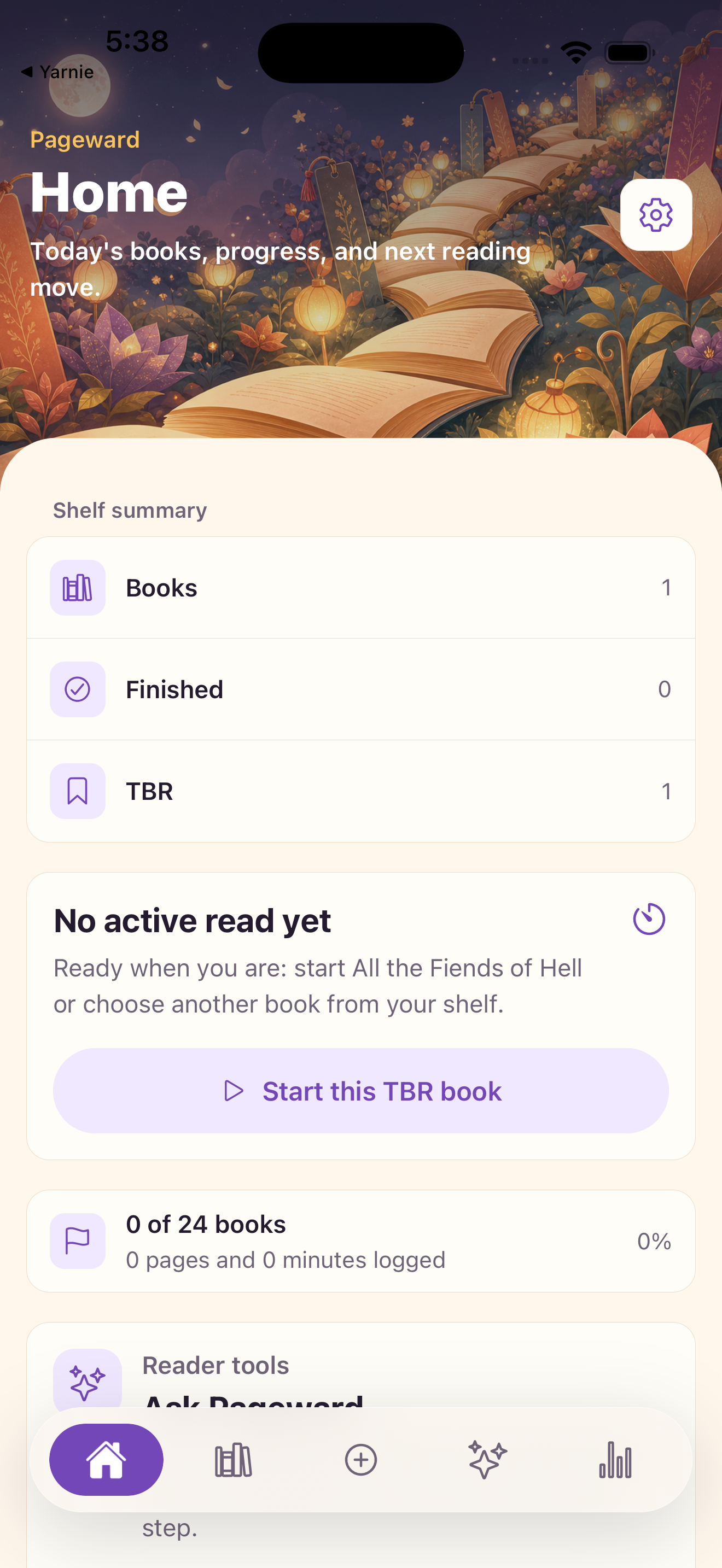
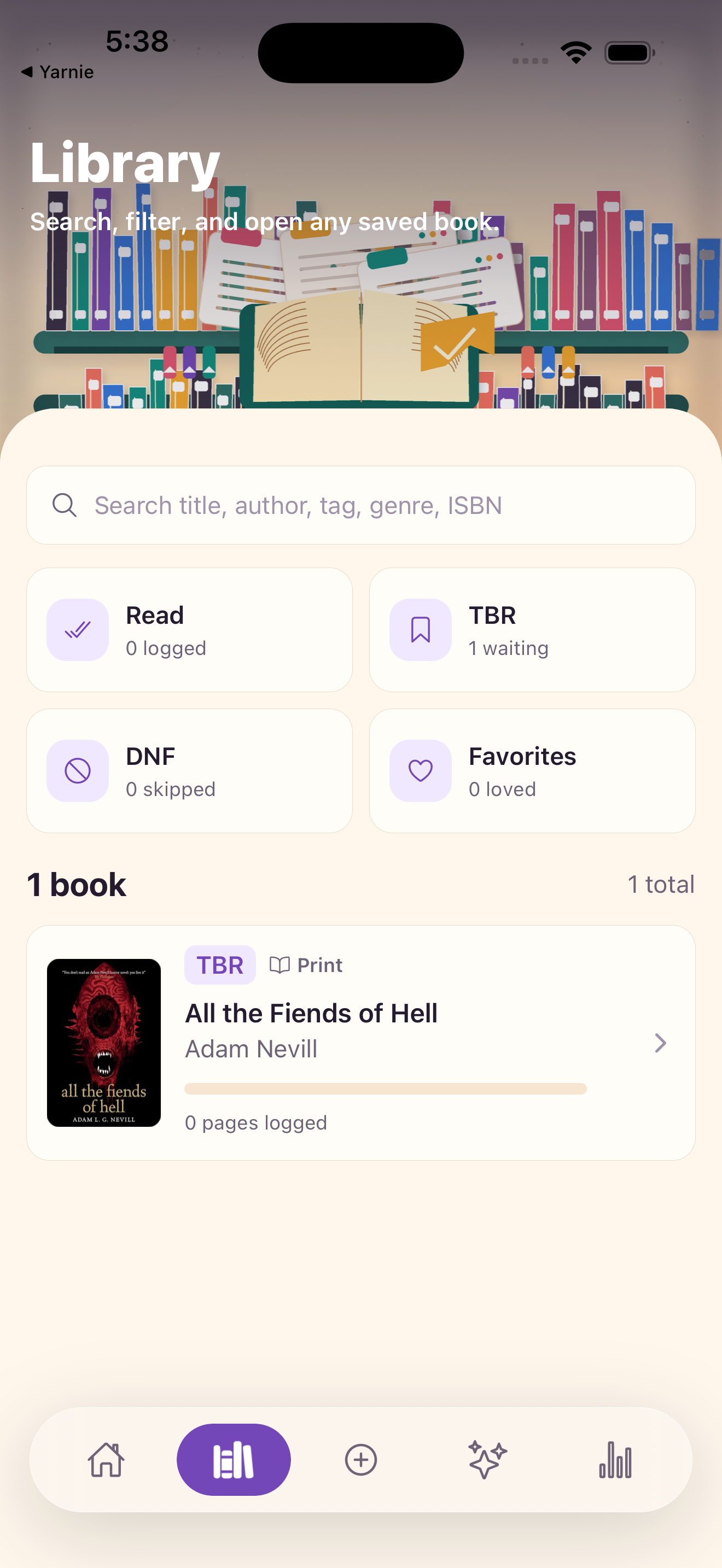
Separate books into current, TBR, finished, and DNF before worrying about tags. Status gives every book a clear job.
工作方式 从第一步到下一步行动的清晰流程。
Add mood signals
A TBR becomes easier to use when you know why a book belongs there. Save moods, genres, formats, and notes that explain the future choice.
产品场景 在 Pageward 中可以做什么。
How Pageward fits the workflow
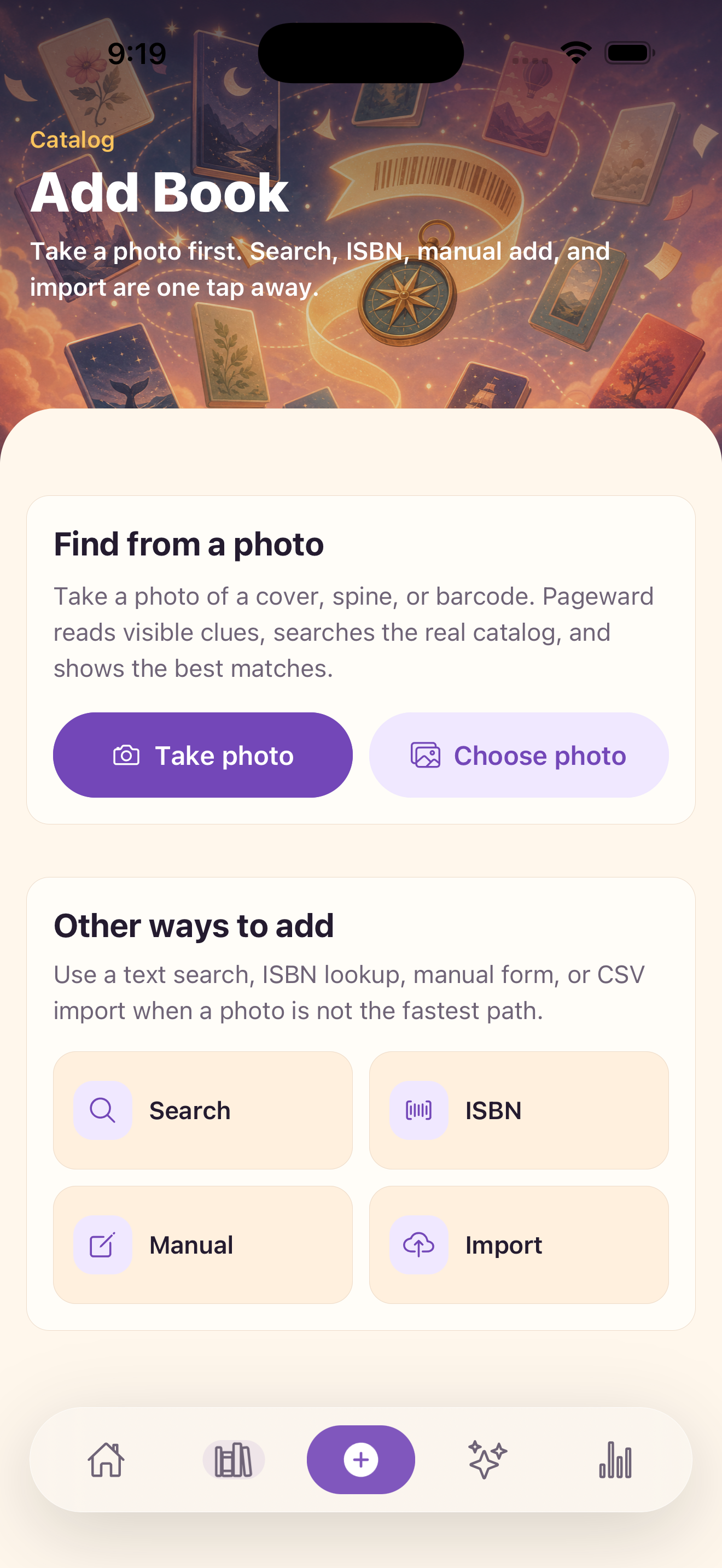
Pageward is most useful when it sits between the messy first moment and the decision that comes next. The app should help the user gather context, run the focused workflow, and keep a record that can be reviewed later instead of forcing them to remember every detail.
问答 下载前常见问题。
What to prepare before opening the app
Prepare books, statuses, pages, minutes, ratings, moods, tags, quotes, and notes. This makes the output easier to judge and gives the app enough signal to avoid a vague, one-size-fits-all result.
下载 官方商店链接上线后会显示在这里。在此之前,本网站提供产品信息、截图、支持和隐私说明。
How to judge the result
A useful result should line up with TBR status, reading pace, DNFs, genres, moods, quotes, and ratings. If the answer does not explain itself, the next best step is to improve the input, compare with saved history, or seek expert confirmation when the decision is high-stakes.
工作方式 从第一步到下一步行动的清晰流程。
The decision boundary
recommendations work best after real shelf history has been saved. Strong app content should say this clearly because trust comes from useful limits, not inflated promises.
产品场景 在 Pageward 中可以做什么。
实用清单
信任说明
Pageward 隐私概览。 Pageward、订阅、账单和设置支持。