
Answers
For The Art of the Reading Reset How to Audit Your Shelves for a Focused Season, prepare books, statuses, pages, minutes, ratings, moods, tags, quotes, and notes. Keep a clear decision boundary before acting on the result.
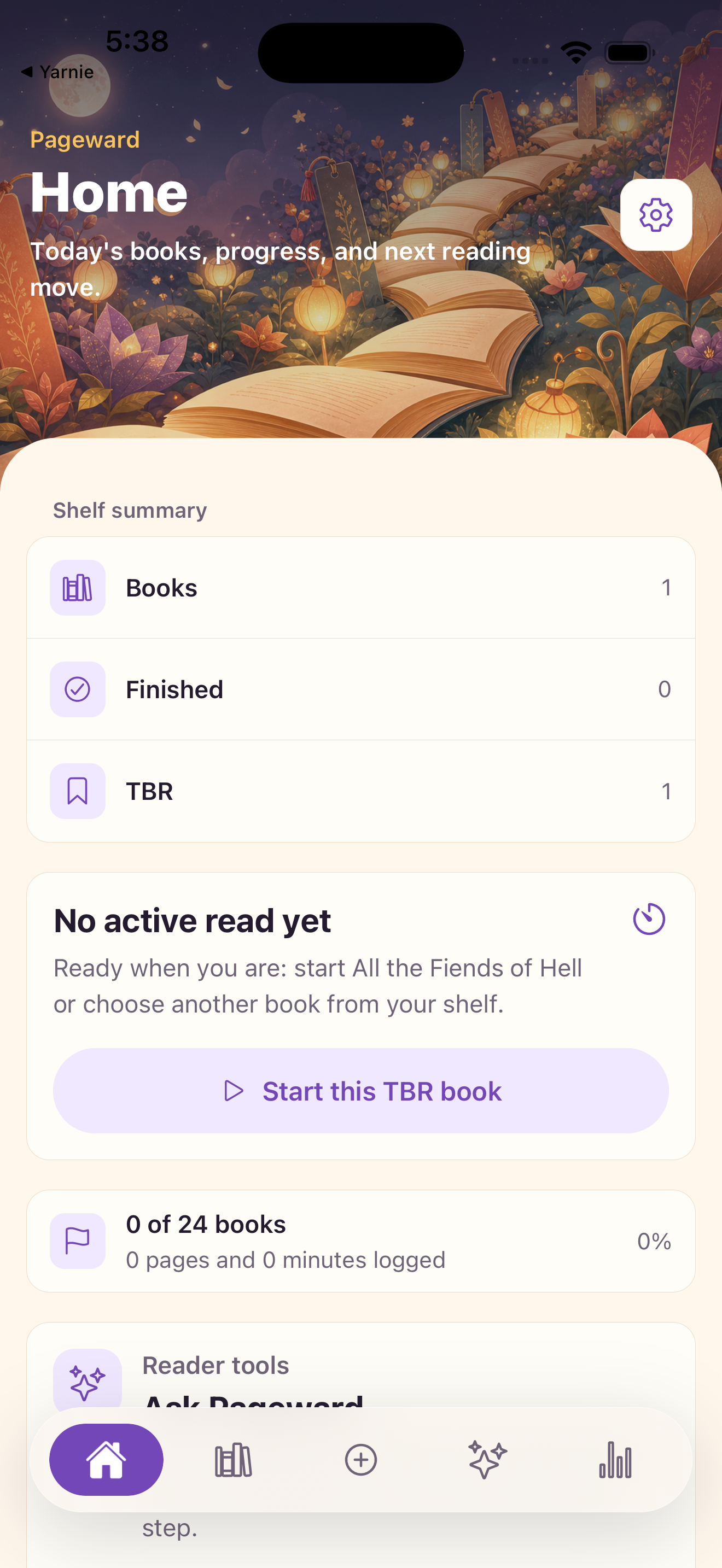
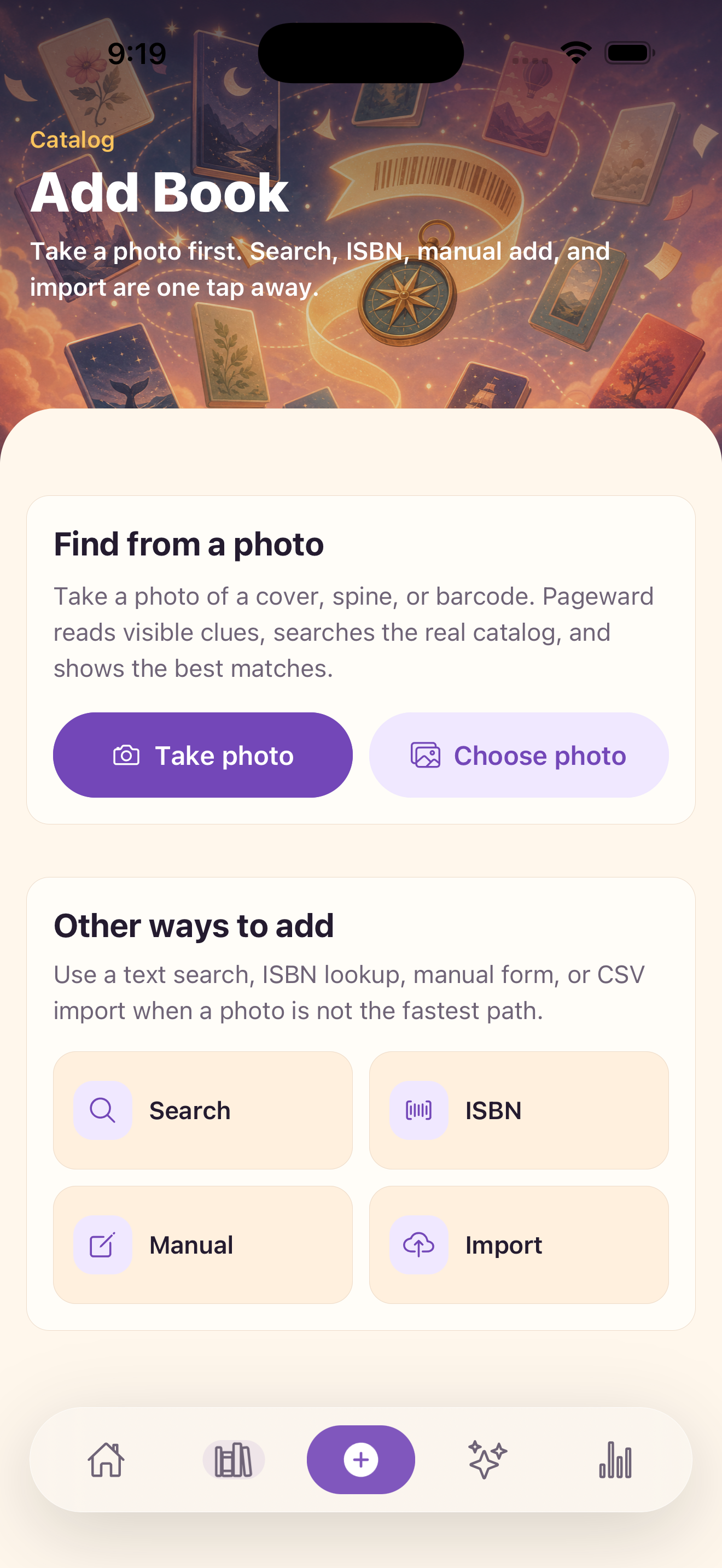
Pageward can support this workflow: track books and choose what to read next. Review the result against TBR status, reading pace, DNFs, genres, moods, quotes, and ratings.
Key takeaways
- Acknowledge that your reading tastes change over time and it is okay to let go of old interests.
- Categorize your TBR into active, aspirational, and legacy buckets to reduce choice fatigue.
- Align your current book choices with your actual mental energy and life season.
- Use private tracking tools to focus on personal momentum rather than social validation.
The Weight of the Digital and Physical Backlog
We have all been there: staring at a shelf of physical books or a digital list of hundreds of titles and feeling a sense of guilt rather than excitement. This phenomenon is often called reading paralysis, where the sheer volume of choice prevents us from actually starting anything. When our To-Be-Read (TBR) list grows too large, it stops being a resource and starts being a chore.
A reading reset isn't about getting rid of books you love; it is about acknowledging that who you were when you bought a book three years ago might not be who you are today. By auditing your collection, you clear the mental space required to actually engage with the stories that matter to you right now.
In practice, that means slowing down long enough to give Pageward the context a human would ask for: what you are trying to decide, what details are visible, and what kind of next step would be useful.
The Ruthless Audit Strategy
To begin a reset, you must categorize your books into three distinct buckets: the active interest, the aspirational read, and the legacy burden. Active interests are books you genuinely want to open tonight. Aspirational reads are those you feel you should read to be smarter or more cultured but have no immediate desire for.
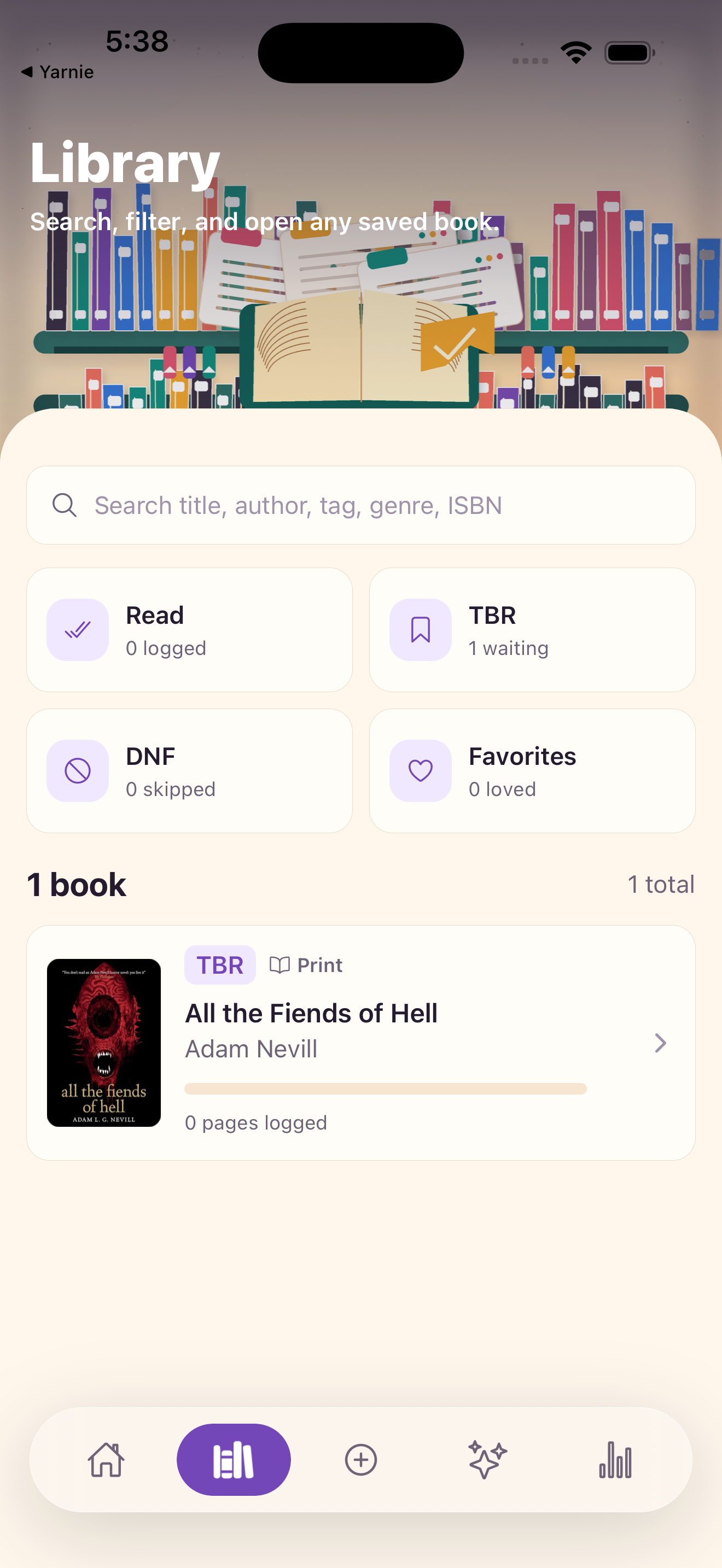
Legacy burdens are books you have moved from house to house but will likely never touch. A successful audit requires the courage to move aspirational reads into a separate long-term archive or simply donate them. If you use a tool like Pageward, you can move these into a private archive so they stay out of your daily view while remaining part of your digital history, keeping your immediate shelf focused and calm.
A useful session should reduce uncertainty, preserve the evidence behind the result, and make the next action easier to choose. More screens do not help when the underlying context is incomplete.
Identifying Your Current Reading Season
Reading is deeply tied to our life seasons. A high-stress period at work might call for comfort reads or fast-paced thrillers, while a quiet vacation might be the only time you can truly digest a 600-page historical biography. Forcing yourself to read a dense classic when your brain is fried from spreadsheets is a recipe for a reading slump.
Look at your current daily energy levels and pick a theme for the next three months. If you find yourself constantly switching between five different books, it may be a sign that none of them actually match your current season. Give yourself permission to put a book down halfway through if it no longer serves the version of you that exists today.
Pageward helps users track books and choose what to read next, but the result should still be checked against the user's own context and any professional boundary that applies.
Organizing for Momentum Rather Than Aesthetics
Most people organize books by genre or author, but organizing by momentum can be more effective for finishing books. This means grouping books by how much effort they require. Keep a small stack of low-friction books near your bed and more challenging texts at your desk.
Tracking your progress can also build momentum, provided the tracking itself doesn't become a distraction. Using a calm book tracker can help you see your progress in pages or minutes without the pressure of social competition. The goal is to turn your reading history into data that helps you make a better next-book decision, rather than just a list of accomplishments to show off to others.
The best repeat users build a small history. Saved sessions, notes, screenshots, or previous results make future decisions faster because the app has a clearer personal reference point.
The One In One Out Rule for Digital Lists
Digital hoarding is easier than physical hoarding because it takes up no physical space, but it occupies significant mental real estate. Every time you add a new recommendation to your list, challenge yourself to remove one that no longer sparks curiosity. This creates a curated ecosystem where only the highest-quality leads remain.
If you struggle to choose what is next, try using a mood picker tool or an AI-powered recommendation engine that looks at your specific saved quotes and past journals. This moves the decision-making process from a place of overwhelming choice to a place of intentional discovery, ensuring that your next book is exactly what you need for the moment.
In practice, that means slowing down long enough to give Pageward the context a human would ask for: what you are trying to decide, what details are visible, and what kind of next step would be useful.
Practical Tools for Your Reset
If you're looking for a private place to organize your new, focused shelf, you can download Pageward on the App Store or Google Play. It's designed to be a calm home for your books without the noise of social feeds.
A useful session should reduce uncertainty, preserve the evidence behind the result, and make the next action easier to choose. More screens do not help when the underlying context is incomplete.
Product moments: Pageward
Pageward supports this workflow: track books and choose what to read next. It is designed around books, statuses, pages, minutes, ratings, moods, tags, quotes, and notes, and its output should be reviewed against TBR status, reading pace, DNFs, genres, moods, quotes, and ratings.
Continue in Pageward when you have books, statuses, pages, minutes, ratings, moods, tags, quotes, and notes ready and want to save the result.
Before you download.
What is the practical takeaway from The Art of the Reading Reset How to Audit Your Shelves for a Focused Season?
For The Art of the Reading Reset How to Audit Your Shelves for a Focused Season, prepare books, statuses, pages, minutes, ratings, moods, tags, quotes, and notes. Keep a clear decision boundary before acting on the result.
Which inputs make this article more useful?
Prepare books, statuses, pages, minutes, ratings, moods, tags, quotes, and notes. Specific context makes the result easier to inspect and compare.
When does this workflow need outside confirmation?
Recommendations work best after real shelf history has been saved. Seek the appropriate qualified source when the decision affects health, safety, money, or legal rights.
Practical checklist
Trust note
While digital trackers help organize thoughts, they can sometimes become another 'task' on your list if not used mindfully.